Megiska Serif Font for Modern Web Design
Megiska is a modern serif font that brings a unique blend of elegance and contemporary style to digital projects. As a web designer, I’ve found it to be an excellent choice for creating visually appealing layouts that maintain readability across different screen sizes and platforms. Its clean lines and subtle character details make it suitable for a wide range of design applications.
Visual Characteristics and Style
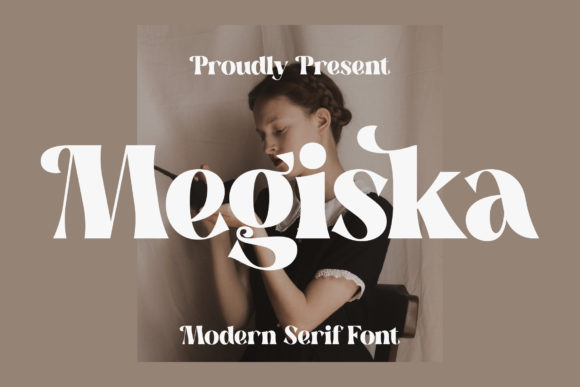
Megiska has a distinct personality with its slightly rounded serifs and open counters, giving it a friendly yet professional look. This makes it ideal for both creative and corporate designs. The PUA encoding allows easy access to all glyphs and swashes, which is especially useful when designing custom logos or brand elements that require special characters.
The font’s modern aesthetic works well in editorial contexts, such as blog headers or content sections, where a balance between formality and approachability is needed. It also adds a touch of sophistication to digital ads, banners, and landing pages without overwhelming the viewer.
Using Megiska in Web Design
When working on website headers or hero sections, Megiska shines as a display font. Its bold weight can be used for large titles while maintaining clarity even at smaller sizes. For example, using Megiska on a coaching website header creates a welcoming and trustworthy impression that aligns with the brand's message.
In online store banners, Megiska can be paired with a sans serif font for body text to ensure readability and visual harmony. This combination helps guide users’ attention from decorative headings to essential product information seamlessly.
For landing pages focused on conversion, Megiska’s legibility supports clear call-to-action areas. Whether it’s a button labeled "Get Started" or a headline promoting a course, the font ensures that important messages are easily digestible and visually engaging.
Readability and Visual Hierarchy
One of the key advantages of Megiska is its strong readability, especially on mobile screens. The font’s structure prevents letter crowding, making it easier for users to scan through content quickly. This is crucial for websites that rely heavily on user engagement and quick information absorption.
When building visual hierarchy, Megiska can be used in various weights and styles to differentiate between section headings, subheadings, and body copy. A lighter weight might work well for subheadings, while a heavier variant can emphasize main headlines or feature sections.
Its versatility also extends to dark and light backgrounds. On dark backgrounds, Megiska maintains good contrast, ensuring that text remains visible and readable. This adaptability is particularly useful for designers working on responsive layouts or image overlays where background colors may vary.
Font Pairing and Brand Identity
Megiska pairs beautifully with simple sans serif fonts like Helvetica or Arial for body text, offering a classic contrast that enhances readability. This pairing is effective in editorial designs, such as portfolio sites or blog posts, where the goal is to maintain a clean and professional appearance.
For more dynamic brand identities, Megiska can be combined with script or handwritten fonts for decorative accents. This is especially useful in social media graphics or packaging design, where a personal touch can elevate the overall look.
When building a digital brand kit, including Megiska as a primary typeface helps establish a consistent visual identity. It supports a cohesive look across all brand assets, from website headers to email newsletters and marketing materials.
Practical Considerations for Web Designers
Before implementing Megiska into a project, it’s important to check the available styles, weights, and file formats. Ensuring that the font supports multilingual characters is essential if the website targets a global audience.
Webfont availability is another consideration. Megiska should be optimized for fast loading times to prevent any negative impact on site performance. Using tools like Google Fonts or embedding the font via CSS can help streamline this process.
Lastly, commercial licensing must be addressed when using Megiska for client projects, online stores, or branded templates. Always verify that the license covers the intended use, whether it’s for a single website or multiple digital products.
By incorporating Megiska into your design toolkit, you gain access to a versatile serif font that supports both aesthetics and functionality. Whether it’s for a boutique online store, a creative portfolio, or a SaaS landing page, Megiska offers a modern solution that enhances user experience and brand presence.